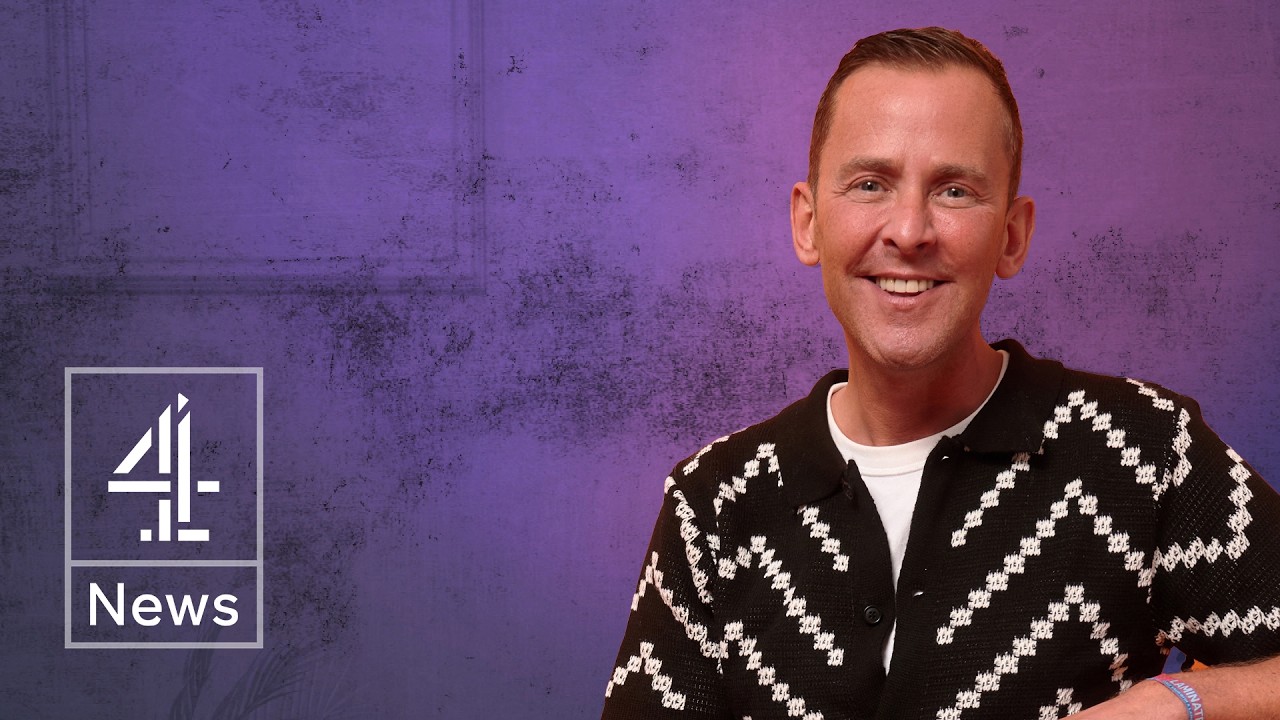
Scott Mills Breaks Silence on Sacking, Allegations, and Police Probe
The sudden and unexplained departure of Scott Mills from his long-standing role at the BBC has sent ripples through the broadcasting industry and among his vast listenership. Following a period of intense public speculation, the popular presenter has finally addressed the swirling rumours and serious allegations surrounding his exit, shedding light on a complex situation involving historic police investigations and more recent conduct concerns.
Mills' statement comes on the heels of the BBC issuing a formal apology, admitting its failure to properly investigate separate allegations that he had been "messaging someone inappropriately" in 2025. This admission has not only reignited debate over the broadcaster's handling of staff conduct complaints but has also cast a significant shadow over the circumstances of Mills' surprising sacking. The unfolding events underscore the intricate challenges public institutions face in balancing privacy, legal constraints, and maintaining audience trust.
Scott Mills Addresses "Rumour and Speculation" Amidst Historic Police Probe
In a direct response to the intense public scrutiny and the void left by his abrupt departure, Scott Mills took to social media to clarify the allegations that have dominated recent headlines. His statement confirmed that he was the subject of a historic police investigation, acknowledging the Metropolitan Police's public comments on the matter.
Mills detailed that an allegation of a serious sexual offence, dating back nearly three decades to between 1997 and 2000, was made against him in 2016. He further stated that he fully cooperated with the subsequent police investigation in 2018, where he was questioned under caution. It's important to understand that being questioned under caution does not imply guilt but is a standard procedure in investigations where an individual's rights are formally explained before being interviewed about potential offences. Following the submission of a file of evidence, the Crown Prosecution Service (CPS) ultimately determined that the evidential threshold for bringing charges had not been met.
This clarification from Mills addresses a significant part of the public's questions regarding Scott Mills Conduct and the police involvement. While the historic investigation concluded without legal action, it has inevitably become a reference point in the broader discussion about the BBC's responsibility to act on potential misconduct allegations, both past and present.
BBC Apologizes for Failing to Investigate 2025 Allegations
Adding another layer of complexity to the narrative surrounding Scott Mills' departure is the BBC's recent admission and formal apology. The broadcaster confessed to failing to investigate separate allegations from 2025, which claimed Mills had been "messaging someone inappropriately." This critical oversight has sparked widespread concern and criticism, bringing the BBC's internal processes for handling staff conduct complaints, particularly those involving high-profile presenters, into sharp focus.
The lapse raises significant questions about accountability and safeguarding within the institution. Critics have questioned why these claims were not thoroughly investigated at the time, highlighting potential gaps in the BBC's internal reporting procedures. This incident is separate from the historic police investigation but directly pertains to recent allegations about Scott Mills Conduct and the broadcaster's immediate responsibility.
A BBC spokesperson has confirmed that the corporation is reviewing how the 2025 report was handled, reaffirming its commitment to ensuring all staff conduct concerns are properly investigated moving forward. They also stressed the importance of their safeguarding policies and encouraged anyone with concerns to raise them via official channels. The charity Neuroblastoma UK, for which Mills served as a patron, also confirmed his disassociation from the organisation following the news, underscoring the immediate consequences of these public revelations.
The Wider Implications: Scrutiny on BBC's Accountability and Safeguarding
The Scott Mills case has ignited a significant debate within media circles and among the public regarding institutional accountability, particularly for large public broadcasters like the BBC. This situation is not merely about an individual's departure; it's a litmus test for how robust and transparent an organisation's internal mechanisms are when faced with allegations, especially concerning staff conduct and safeguarding.
The failure to investigate the 2025 "inappropriate messaging" allegation highlights a critical vulnerability. Public institutions carry a unique burden of trust, and any perceived lapse in upholding standards or addressing concerns can significantly erode that trust. This situation presents several key takeaways for organisations:
- Prompt and Thorough Investigation: All allegations, regardless of their perceived initial weight or the profile of the individual involved, must be investigated promptly and thoroughly according to established protocols. Delays or omissions can lead to severe reputational damage and legal repercussions.
- Clear Reporting Channels: There must be accessible, well-communicated, and trusted channels for reporting concerns about conduct. Employees and external parties need to feel confident that their concerns will be heard and acted upon without fear of reprisal.
- Transparency vs. Privacy: Navigating the balance between staff privacy, legal constraints, and the public's right to information is incredibly challenging. However, a clear, consistent policy on how such matters are communicated (or not communicated) externally is crucial for maintaining integrity.
- Continuous Review of Procedures: Incidents like this underscore the need for public institutions to continuously review and update their internal reporting, investigation, and safeguarding procedures. As societal expectations evolve, so too must the mechanisms designed to protect individuals and uphold ethical standards.
Industry observers anticipate that the BBC will undertake a significant review of its internal reporting procedures to prevent similar oversights. This proactive approach is vital for rebuilding confidence and demonstrating a commitment to accountability and transparency. The case of Scott Mills' conduct and the BBC's response will likely serve as a pivotal example in ongoing discussions about media ethics and institutional responsibility.
Scott Mills' decision to break his silence provides some clarity on the historic allegations, while the BBC's apology shines a harsh light on its own recent handling of conduct concerns. This complex interplay of individual careers, historic allegations, and institutional accountability will undoubtedly remain a significant topic of discussion as the BBC strives to implement reforms and reinforce its oversight and transparency mechanisms.